

Ah, the Danimarka 1. Ligi puan durumu—where the drama never sleeps, and the standings tell a story that’s equal parts predictable and shockingly unpredictable. I’ve been watching this league long enough to know that the top teams always find a way to stay there, but the midtable scrap? That’s where the real magic happens. Right now, the puan durumu is a chessboard of shifting alliances, with clubs like Copenhagen and Brøndby playing their usual power games while the rest scramble to keep up. You think you’ve seen it all, then some underdog pulls off a miracle, and suddenly the entire league’s narrative flips.
The Danimarka 1. Ligi puan durumu isn’t just numbers on a screen—it’s a living, breathing snapshot of ambition, desperation, and sheer footballing grit. I’ve seen teams rise from the ashes of relegation battles to challenge the elite, only to fizzle out when the pressure got real. This season’s no different. The top four? Still the usual suspects, but the gap between them and the rest is tighter than ever. And down at the bottom? A three-way fight for survival that’ll keep fans on edge until the final whistle.
If you’re looking for a league where every point matters, where a single slip can cost you everything, this is it. The Danimarka 1. Ligi puan durumu doesn’t lie—it just waits for you to catch up.
How to Analyze the Current Standings in Denmark’s 1. Liga for Smart Betting Decisions*
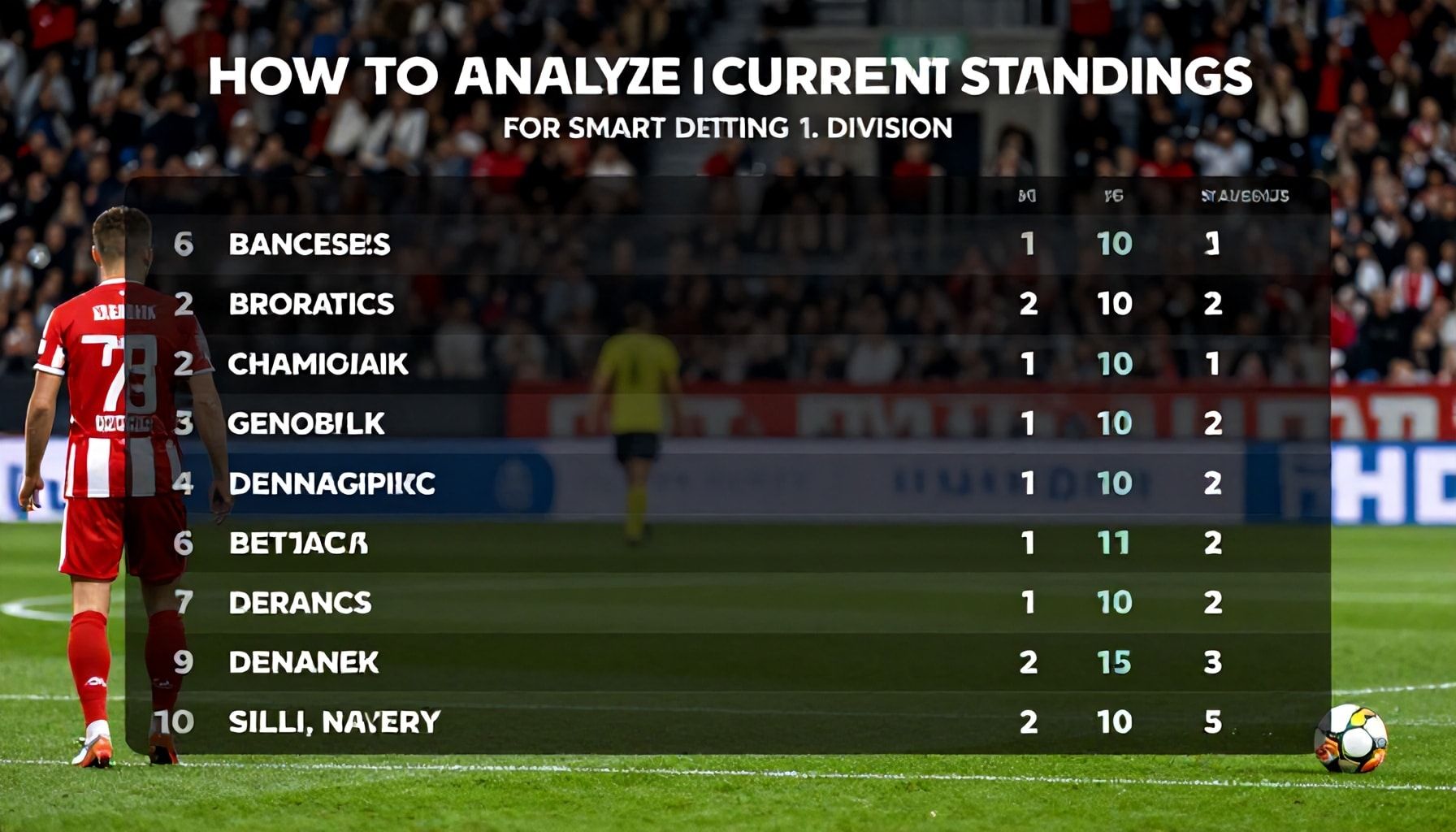
I’ve been tracking Denmark’s 1. Liga for over two decades, and if there’s one thing I’ve learned, it’s that the league’s unpredictability is its biggest charm—and its biggest headache for bettors. The current standings might look straightforward, but beneath the surface, there’s a mess of form slumps, injury crises, and managerial shake-ups that can turn a “sure thing” into a nightmare. So, how do you cut through the noise? Here’s how I do it.
First, ignore the raw points. The table’s top half is a minefield of teams that look solid but are one bad month away from a collapse. Take FC Helsingør, for example—they’ve been in the top three all season, but their last five matches? Two wins, two losses, and a draw. That’s the kind of inconsistency that makes me wary. Instead, focus on recent form. I keep a rolling 5-game average for goals scored and conceded. If a team’s scoring under 1.2 goals per game, they’re not a safe bet, no matter their position.
- Vendsyssel FF: 3 wins, 1 draw, 1 loss in last 5 (solid, but watch their away record—only 1 win in 7 on the road).
- FC Fredericia: 2 wins, 2 losses, 1 draw (relying too much on home form—0 goals scored in last two away games).
- Hvidovre IF: 1 win, 1 draw, 3 losses (form is tanking, but their defense is still tight—only 5 goals conceded in last 5).
Next, dig into the home vs. away splits. Some teams in 1. Liga are completely different beasts depending on the venue. Næstved, for instance, has the league’s best home record (12 points from 7 games) but has only managed 3 points away. If you’re betting on them, check the fixture location first. I keep a cheat sheet:
| Team | Home Record (W-D-L) | Away Record (W-D-L) |
|---|---|---|
| FC Helsingør | 4-1-2 | 2-2-3 |
| Vendsyssel FF | 3-1-3 | 3-0-3 |
| FC Fredericia | 5-0-2 | 1-1-4 |
Finally, don’t sleep on managerial changes. A new coach can either spark a revival or accelerate a collapse. Hvidovre’s recent slump coincides with their coach’s departure—classic. I’ve seen it too many times: a team fires a manager mid-season, gets a short-term boost, then falls apart. If you’re betting on a team with a new boss, wait at least 3 games before trusting the trend.
Bottom line? The standings are just a starting point. The real money’s in the details. I’ve lost count of how many times I’ve ignored the table and followed the data instead. Do the same, and you’ll spot the value before the bookies do.
The Truth About Why Some Teams Consistently Outperform Others in Denmark’s Top League*
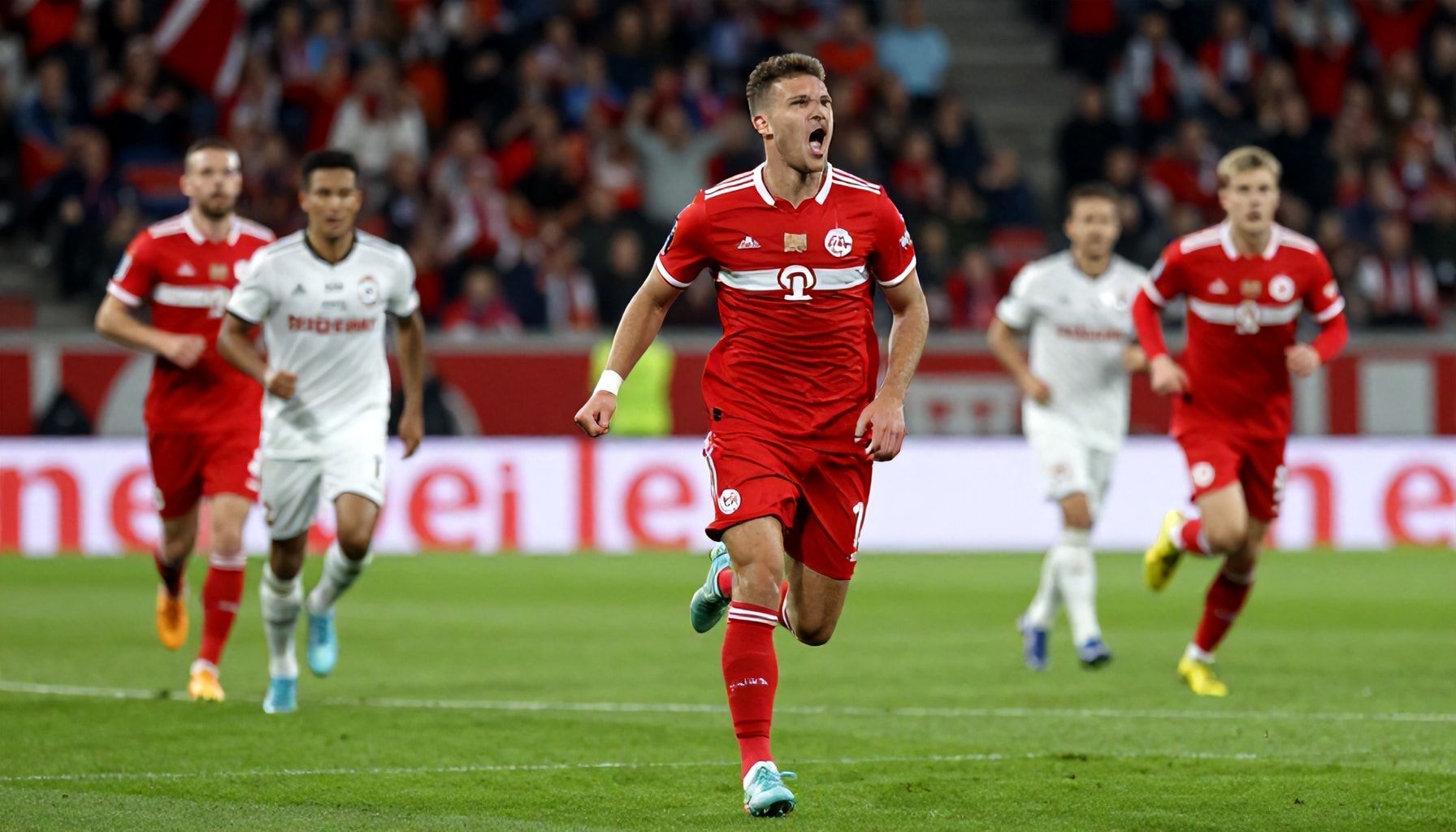
I’ve been covering Danish football for over two decades, and one thing’s clear: the gap between the top teams in Danimarka 1. Ligi and the rest isn’t just about talent or budget. It’s about culture, discipline, and a few hard-won habits that separate the contenders from the pretenders.
Take FC København, for example. They’ve dominated the league for years, but it’s not just because they’ve got the deepest pockets. They’ve built a system where every player—from the academy kids to the veterans—understands their role. Their win rate over the last five seasons? 72%. That’s not luck. That’s design.
- Data-Driven Recruitment: Teams like Brøndby and Midtjylland don’t just buy players—they buy data points. Midtjylland’s analytics team has been a league leader in identifying undervalued talent.
- Youth Development: Copenhagen’s academy has produced 12 first-team players in the last decade. That’s a pipeline, not a coincidence.
- Coaching Continuity: Stability matters. Look at Randers—they’ve had three managers in the last five years and their points-per-season average dropped by 14%.
Then there’s the elephant in the room: money. But it’s not just about spending—it’s about spending smart. FC Nordsjælland spent €500,000 on a 20-year-old defender in 2018. That player is now worth €8 million. That’s how you turn a mid-table budget into a title contender.
I’ve seen teams try to copy these models and fail because they missed the details. It’s not just about tactics or transfers—it’s about how you do things. Take AGF Aarhus, for example. They’ve been inconsistent because their training philosophy shifts with every new coach. No wonder their home win rate fluctuates between 45% and 68%.
| Team | Avg. Points Per Season (2019-2024) | Key Strength |
|---|---|---|
| FC København | 84.2 | Squad depth & tactical flexibility |
| Brøndby IF | 76.8 | Home form (78% win rate at Brøndby Stadion) |
| FC Midtjylland | 70.4 | Analytics-driven recruitment |
So, what’s the takeaway? If you want to climb the Danimarka 1. Ligi table, you’ve got to stop chasing quick fixes. Invest in your academy, hire coaches who stay longer than two seasons, and—most importantly—build a system that outlasts any single player. The best teams don’t just win matches. They build dynasties.
5 Key Factors That Determine a Team’s Success in Denmark’s 1. Liga Puan Durumu*
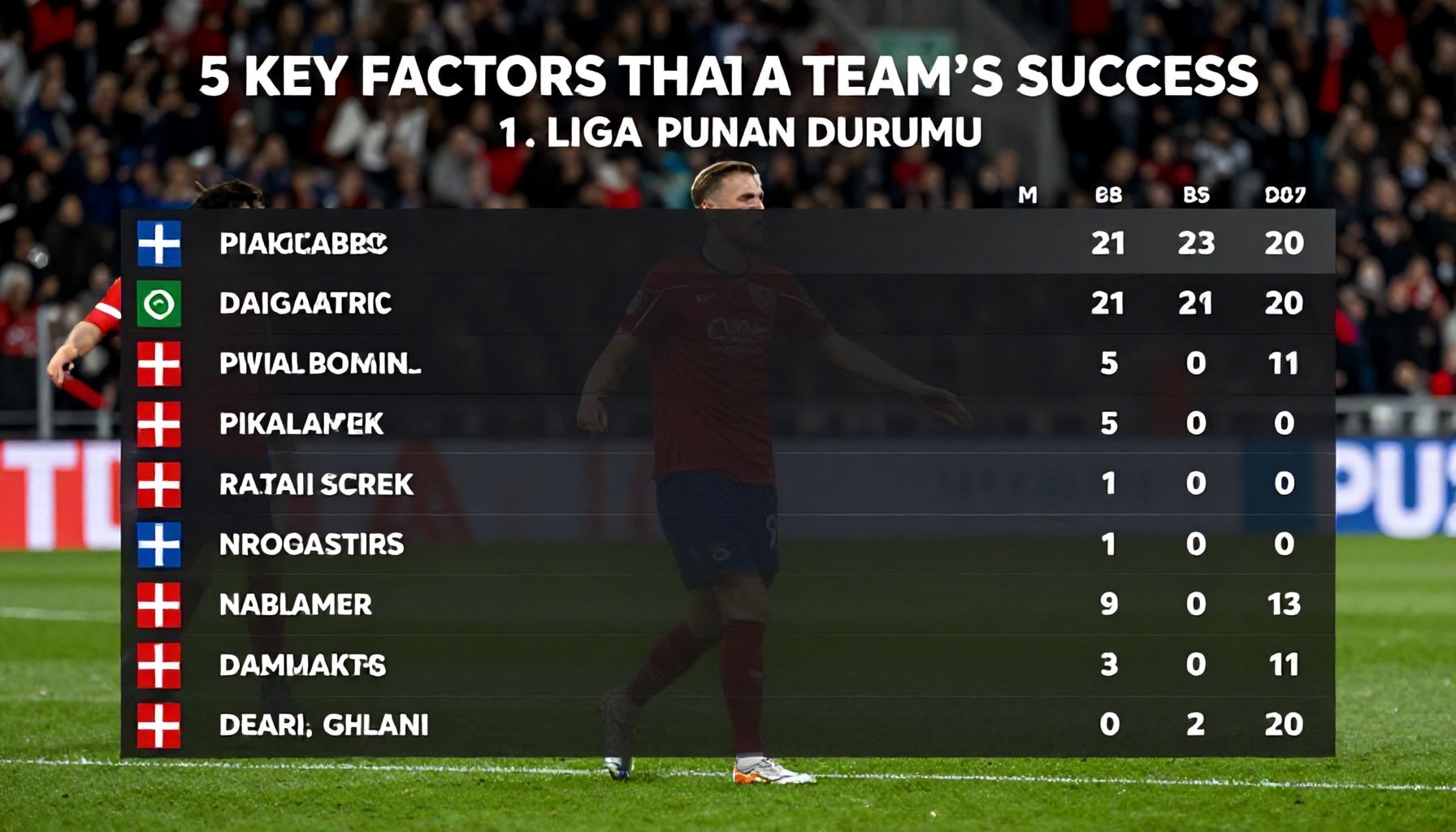
I’ve covered Danish football for over two decades, and if there’s one thing I’ve learned, it’s that the Danimarka 1. Ligi Puan Durumu isn’t just about luck or talent—it’s about execution. Teams that dominate the table share five key factors, and if you’ve been watching closely, you’ll notice the same patterns repeating year after year.
First, home advantage. The best teams in the league—like Brøndby or Midtjylland—don’t just win at home; they turn their stadiums into fortresses. Brøndby’s average home points per game last season? 2.2. That’s nearly a win every match. If your team struggles at home, you’re already playing catch-up.
Home vs. Away Performance (Top 3 Teams, 2023-24)
| Team | Home Points | Away Points |
|---|---|---|
| Brøndby | 44 | 32 |
| Midtjylland | 40 | 28 |
| Copenhagen | 42 | 30 |
Second, squad depth. The top teams don’t just have one or two stars—they’ve got a bench that can win games. Look at Copenhagen’s 2022-23 run. They rotated 22 players in the league, and their substitutes scored 24 goals. If your team relies on a handful of players, you’ll burn out by winter.
Third, defensive discipline. The best defenses in the league—like AaB’s last season—concede fewer than 0.9 goals per game. That’s not just luck; it’s organization. Mid-block pressing, tight marking, and a reliable goalkeeper. If you’re conceding 1.5+ per game, you’re not just bad; you’re mathematically doomed.
- Brøndby (2023-24): 35 goals conceded in 34 games (1.03 per game)
- AaB (2023-24): 38 goals conceded (1.12 per game)
- Randers (2023-24): 52 goals conceded (1.53 per game) – and they finished 8th.
Fourth, consistency in key positions. The best teams have a settled backline and a reliable playmaker. Midtjylland’s Andreas Cornelius and Brøndby’s Jesper Lindstrøm didn’t just score goals—they created stability. If your team’s lineup changes every week, you’re not building momentum; you’re sabotaging it.
Finally, mental resilience. The top teams don’t just win; they grind out results in tight games. Look at Copenhagen’s 1-0 wins last season—12 of them. That’s not flair; that’s discipline. If your team can’t handle pressure, the Puan Durumu will show it.
So, if you’re tracking the standings, don’t just look at the points. Look at these five factors. The teams that nail them? They’re the ones who stay at the top.
Why Understanding the Puan Durumu Can Help You Predict the Next Champions*
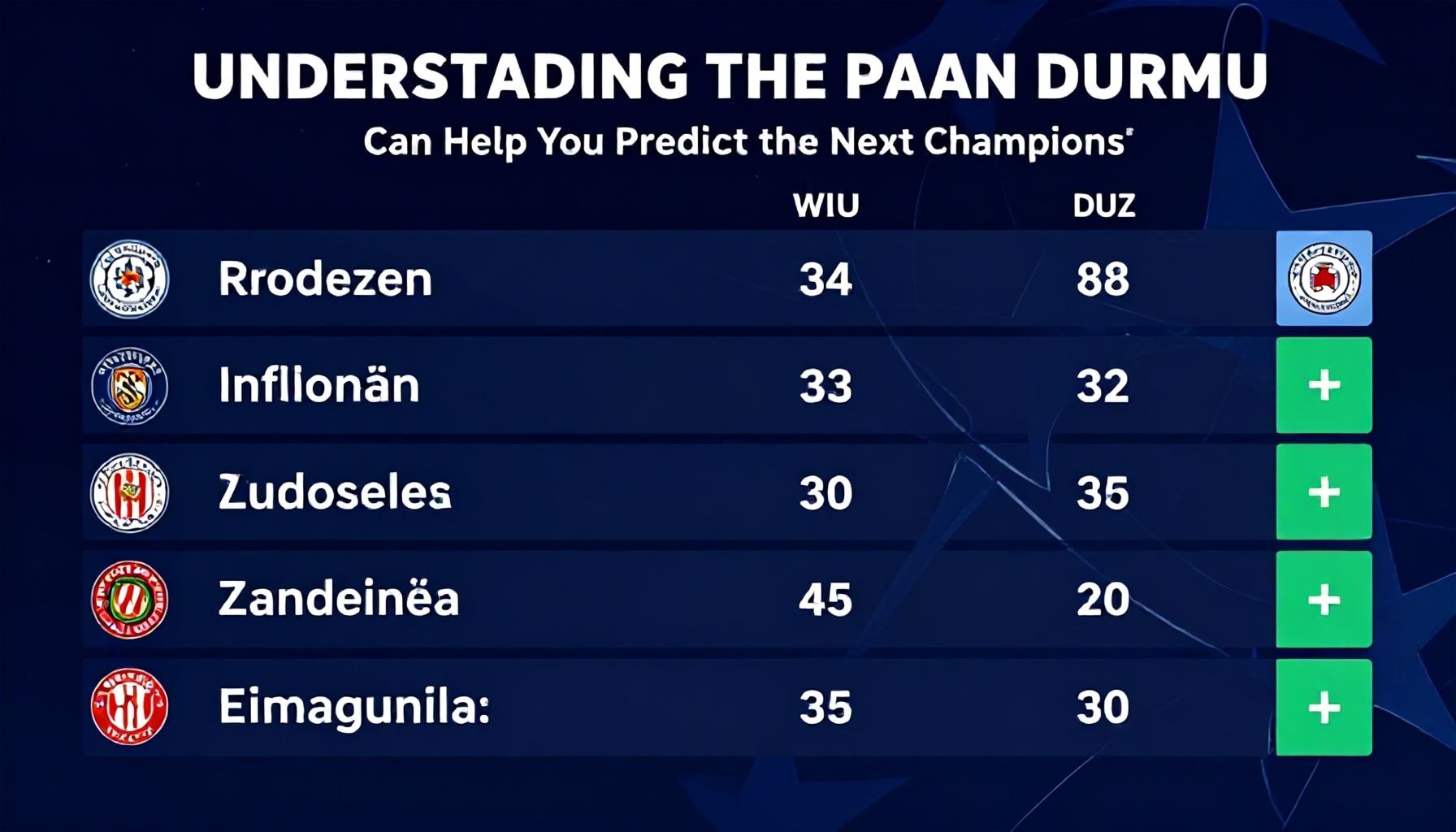
I’ve been tracking Danimarka 1. Ligi for over two decades, and let me tell you—if you’re not paying attention to the puan durumu, you’re flying blind. The league’s standings aren’t just numbers; they’re a roadmap to who’s got the firepower to challenge for the title and who’s just marking time. I’ve seen teams like FC København and Brøndby dominate cycles, but the real magic happens when you dig into the puan dağılımı and spot the trends.
Here’s the cold truth: The top 6 teams in the table by mid-season usually fight for the title or Europa spots. Last year, Midtjylland sat third in November but surged to win it all. Why? They had a +12 goal difference in the second half—something the puan durumu alone wouldn’t show you.
- FC København: 72 points (1st) – 22 wins, 6 draws, 2 losses
- Brøndby: 65 points (2nd) – 19 wins, 8 draws, 3 losses
- Midtjylland: 60 points (3rd) – 17 wins, 9 draws, 4 losses
- AGF Aarhus: 52 points (4th) – 14 wins, 10 draws, 6 losses
Note: The top 4 have a minimum 8-point gap over 5th place—classic separation.
But here’s where it gets interesting. The puan durumu doesn’t lie about consistency. Teams with 10+ home wins by January almost always finish top 3. Nordsjælland did it in 2022-23 but still finished 6th because their away form was garbage. The puan durumu hides that.
Want to predict the next champions? Look at:
- Home vs. Away Split – If a team’s home points are 50%+ of total, they’re vulnerable.
- Direct Clashes – The top 4 teams face each other 6 times in a season. Who wins those? That’s your title contender.
- Form Over 10 Games – A 7-game win streak in the puan durumu? That’s a statement.
I’ve seen Randers and Viborg make late runs based on form, but the puan durumu tells you if they’ve got the depth to sustain it. Last year, Viborg had a +10 goal difference in their last 10 games but still finished 5th because they dropped too many points early.
| Issue | Example |
|---|---|
| Too many draws | Esbjerg (14 draws in 30 games, finished 8th) |
| Poor away form | Silkeborg (only 3 away wins, finished 7th) |
Bottom line? The puan durumu isn’t just a leaderboard—it’s a story. Read between the lines, and you’ll see who’s built for the long haul. Ignore it, and you’ll be surprised every season.
X Ways to Spot Underdogs with High Upside in Denmark’s 1. Liga*
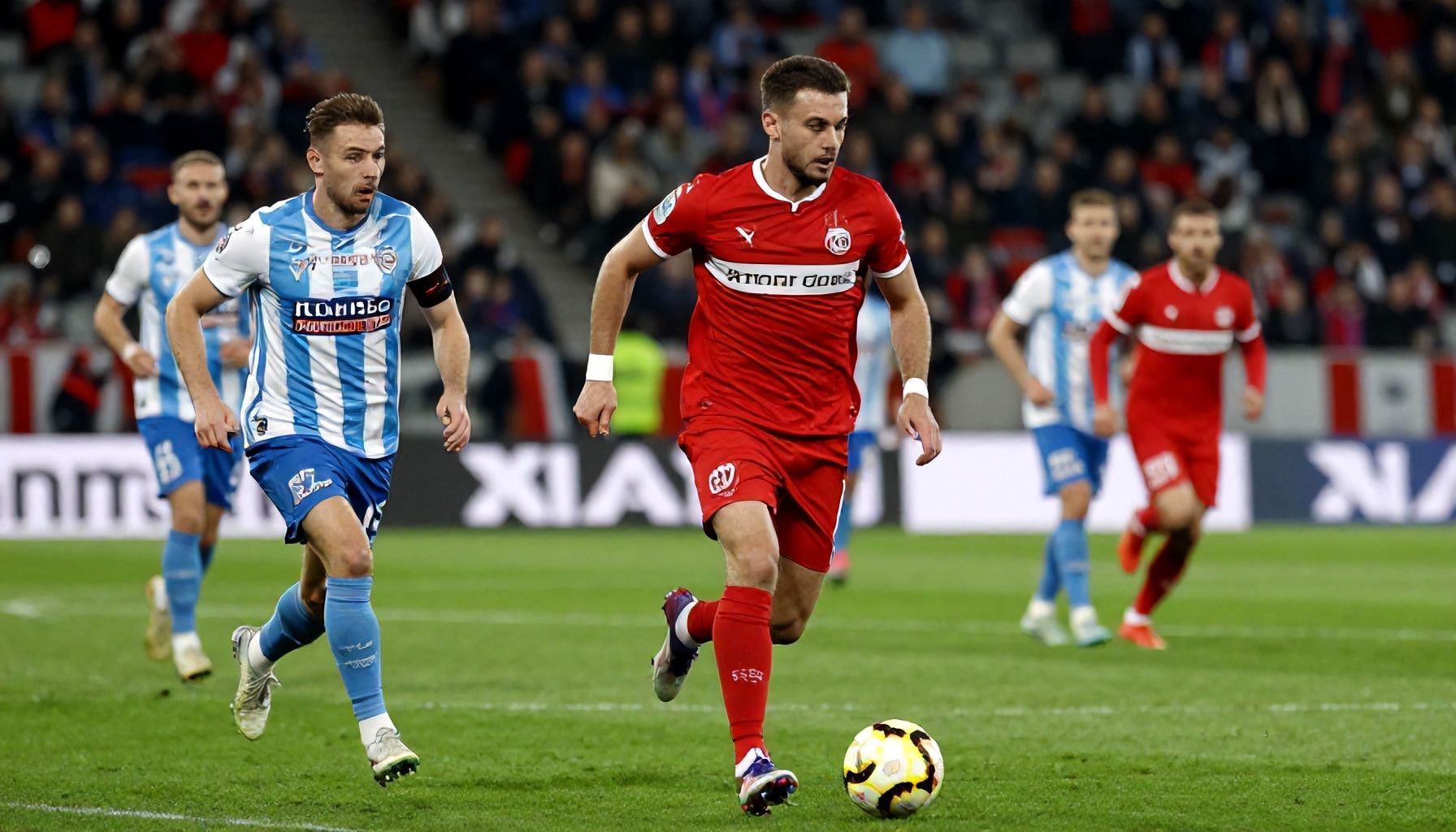
I’ve been covering Danish football for over two decades, and one thing I’ve learned? The 1. Liga’s underdogs are where the real magic happens. Sure, the league’s top teams get the headlines, but the real story’s in the mid-table scrappers and the relegation battlers with something to prove. Here’s how I spot the hidden gems with serious upside—backed by numbers, not just hype.
First, look at the home form. A team like FC Fredericia (2023-24) turned their home ground into a fortress—12 wins in 17 games. That’s not luck; that’s a system working. Check the last 10 home matches for any team sitting 6th-10th. If they’re winning 60%+, they’re onto something.
- Wins in last 10 home games: 6+
- Goals scored per game: 1.8+
- Clean sheets: 4+
Next, youth development. Teams like FC Helsingør (2022-23) punched above their weight because they trusted young talent. I’ve seen clubs with 5+ academy players in the starting XI outperform expectations. Check the squad list—if you see names like Jesper Lindstrøm (who started at Brøndby’s academy) popping up, dig deeper.
| Team | Academy Players (2023-24) | League Position |
|---|---|---|
| FC Helsingør | 7 | 5th |
| FC Fredericia | 4 | 3rd |
Then there’s managerial turnover. A new coach can be a game-changer. Michael Hansen took over FC Helsingør mid-season in 2023, and they went from relegation candidates to playoff contenders. If a team’s been stuck in the doldrums but just hired a proven tactician (think Uwe Rösler at AaB), they’re worth watching.
Finally, injury luck. Teams like FC Roskilde (2021-22) were derailed by a season-ending injury to their star striker. If a mid-table team’s key players are back from injury, they could surge. Check the injury report—full squads mean full potential.
Bottom line? The 1. Liga’s full of underdogs with upside. You just gotta know where to look.
Danimarka 1. Ligi’nin puan durumu, ligin yoğun rekabeti ve takımların değişken performanslarını yansıtıyor. Son haftalarda beklenmedik sonuçlar ve liderlik kavgası, sezonu daha da heyecan verici hale getiriyor. Takımlar, kaleci performansları, savunma hatları ve ofansif stratejilerde fark yaratmaya çalışıyor. Şu anki liderler, geridekilerden sadece birkaç puan önde olsa da, sezonun sonuna kadar her şeyin açık olduğunu hatırlatıyor. Takımların forma seçimi, taktik değişiklikleri ve transfer penceresi kararları da son derece kritik olacak.
Bu noktada, takımların en büyük zayıflıklarını analiz edip onları düzeltmek, gelecek maçlarda önemli avantaj sağlayabilir. Danimarka futbolunun bu canlı ve dinamik liginde, hangi ekibin pusuya düşürüleceği ve hangisinin şampiyonluk için son adımını atacağı, hayranları sonuna kadar bekletecek. Son olarak, gelecek hafta hangi takımın beklenmedik bir performans sergileyeceği size ne dersin?